Busting Pregnancy Nutrition Myths
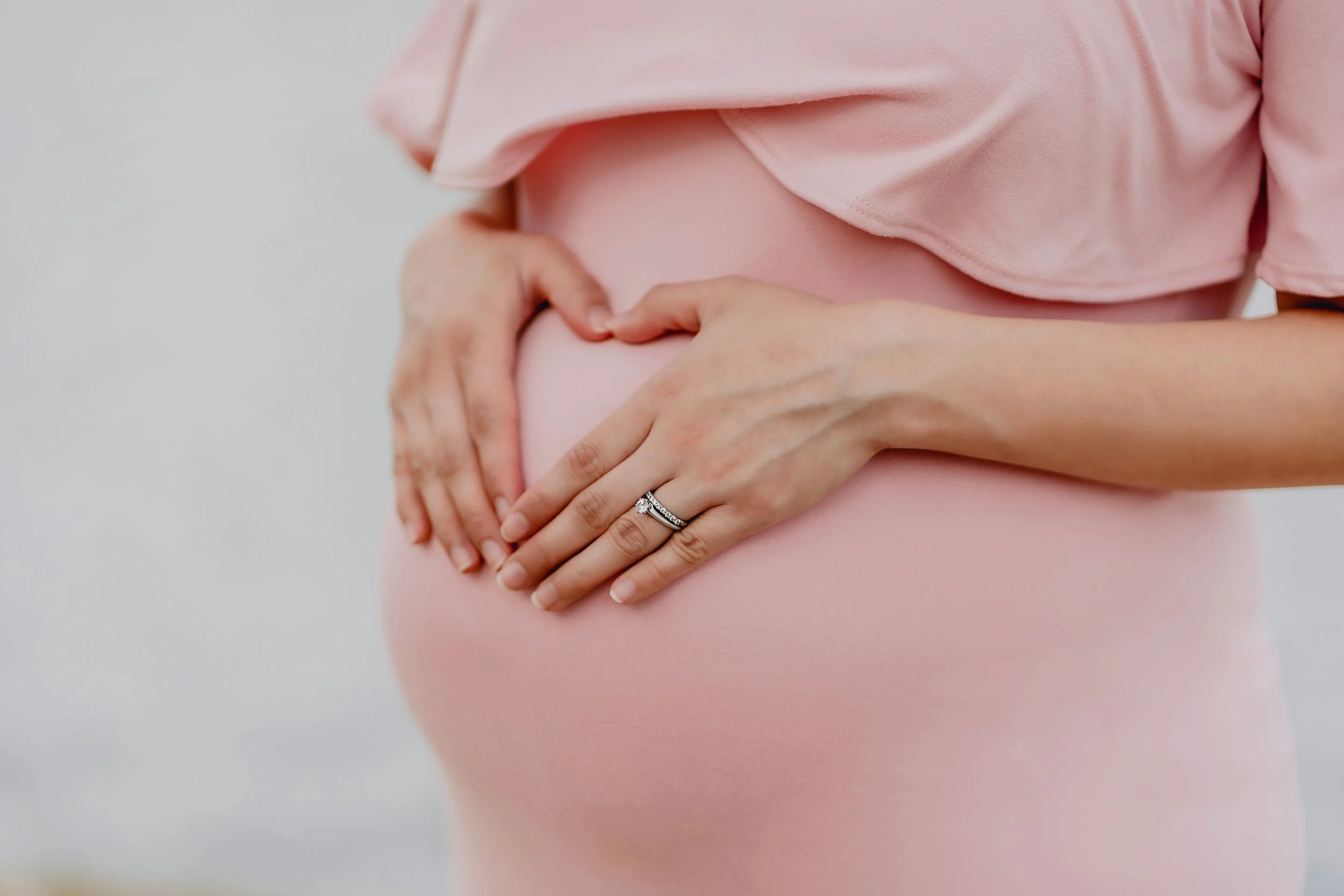
Feeling confused about what to eat during pregnancy? You’re definitely not alone.
Between conflicting advice online and well-meaning (but sometimes outdated) tips from friends and family, pregnancy nutrition can feel overwhelming. I’m here to help cut through the noise and demystify some common pregnancy nutrition myths, so you can feel confident about nourishing both yourself and your growing baby.
Myth #1. You Cannot Drink Coffee.
This is one of my favourite myths to debunk because no one enjoys being told to give up their morning coffee.
Good news: coffee (and tea) can be safely enjoyed during pregnancy.
Caffeine is fine in moderation. The main concern arises if coffee is replacing meals or snacks, which may reduce your overall nutrient intake. If that’s happening, it may be worth cutting back slightly to prioritise food first.
Recommendation:
Up to 3–4 cups of coffee per day falls within safe caffeine limits during pregnancy.
Important note:
Tea and coffee can inhibit iron absorption. If you’re iron deficient or struggling to maintain your iron levels, avoid having these drinks with meals by spacing them at least one hour away.
Myth #2. You Cannot Eat Frozen Vegetables.
Frozen vegetables are not only safe during pregnancy. They can actually be a great option!
Frozen veg are often snap-frozen shortly after harvesting, locking in nutrients. They may also carry a lower risk of food-borne illness compared to some fresh produce that’s been handled multiple times.
During pregnancy, hormonal changes can slightly weaken your immune system, making food safety extra important. Choosing well-handled, properly stored foods helps reduce your risk of food poisoning.
Myth #3. You Cannot Eat Fish.
Despite what you may have heard, fish is an important and nutritious part of a pregnancy diet.
Fish provides high-quality protein and essential omega-3 fats, which support your baby’s brain and nervous system development. The key is choosing the right types and amounts. Large predatory fish can contain higher mercury levels, which may affect your baby’s developing nervous system.
Recommended intake (1 serve = 150 g):
1 serve per fortnight of shark (flake) or billfish (swordfish/broadbill or marlin), and no other fish that fortnight, OR
1 serve per week of orange roughy (deep sea perch) or catfish, and no other fish that week, OR
2–3 serves per week of all other fish and seafood not listed above
(e.g. 4–5 small 90 g tins of salmon or tuna)
Food Safety Tips During Pregnancy
During pregnancy, your immune system changes to support your growing baby. While this is completely normal, it also means your body may not fight infections as effectively as usual. As a result, food-borne bacteria can make you sicker, more quickly than they would outside of pregnancy.
Certain food-borne pathogens like Listeria, Salmonella, Toxoplasma, and E. coli can cross the placenta and infect your unborn baby.
Keeping food safe is just as important as choosing nutritious options:
Choose freshly cooked and freshly prepared foods
Thaw food in the fridge or microwave (not on the bench)
Refrigerate leftovers promptly
Wash hands, chopping boards, and knives after handling raw foods
Keep hot foods hot (above 60°C) and cold foods cold (below 5°C)
Check use-by dates and discard expired foods
Wash fruits and vegetables thoroughly
Cook all meat, chicken, fish, and eggs thoroughly
Reheat leftovers until steaming hot (above 74°C for at least 2 minutes)
Eat leftovers within 24 hours or freeze them
What to avoid during pregnancy:
Foods at high risk of listeria (soft cheeses, deli meats, pâté, pre-prepared salads)
Raw or undercooked eggs
Alcohol (not drinking is the safest option)
Fish high in mercury beyond recommended limits
Unpasteurised dairy products
Soft-serve ice cream and thick shakes
Raw or smoked seafood (oysters, sashimi, sushi, smoked salmon)
Final Thoughts
Pregnancy nutrition doesn’t need to be restrictive or confusing. With the right information, you can enjoy a varied, nourishing diet that supports both you and your baby without unnecessary stress or fear.
If you’re unsure about your individual needs, working with an Accredited Practising Dietitian can provide personalised guidance and peace of mind throughout your pregnancy.
Need individualised support?
Book an appointment with Kerri to get personalised advice to best support you and your baby throughout pregnancy and breastfeeding.